(Note: Gordon is a good friend of Muench Workshops and a physician (cardiologist). But he’s not your health care provider and we suggest you discuss all the medical issues raised in this article with yours.)
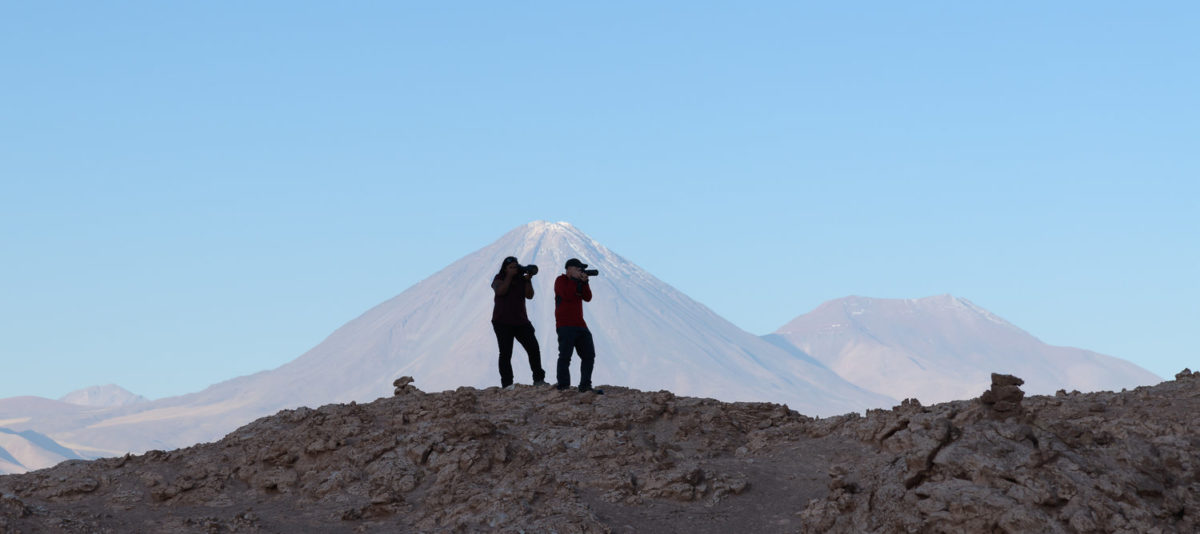
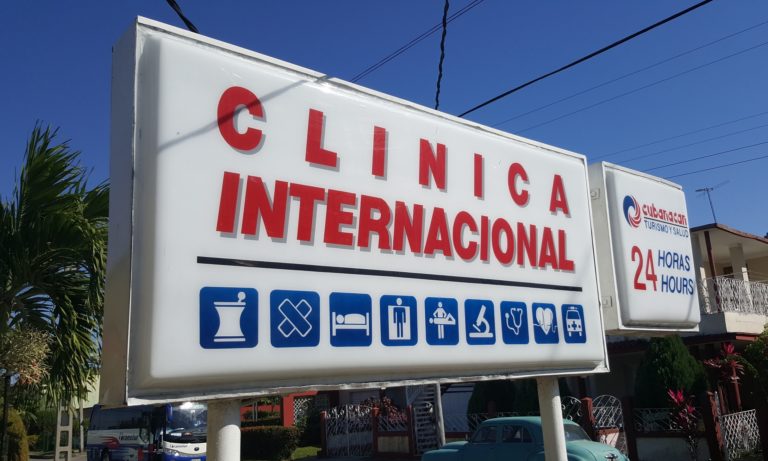
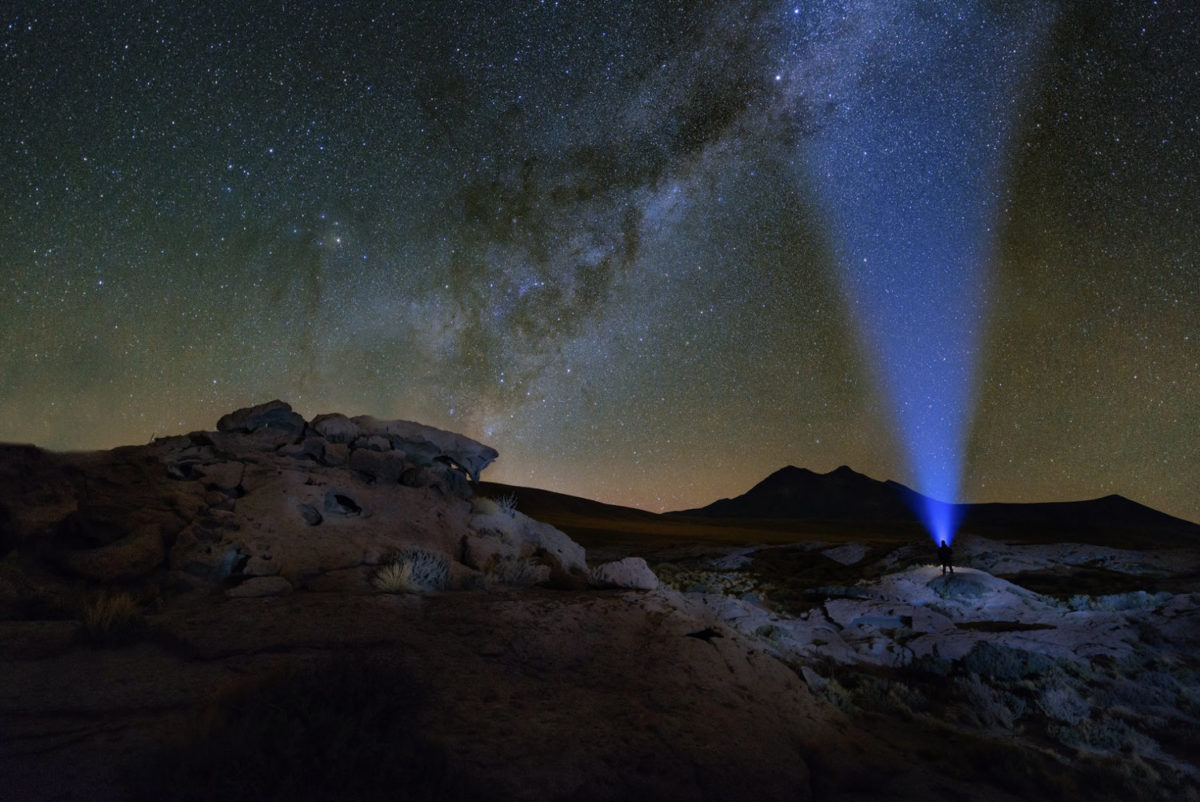
Even though I knew we would be at about 16,000 feet above sea level, I hadn’t fully realized how much of a challenge altitude would be before setting out on the 2018 Muench Workshops trip in the Atacama Desert in Chile. After all, who gets altitude sickness in a desert? Nevertheless, the first time I was seriously concerned happened shortly after we arrived in our home base of San Pedro de Atacama (8,000 feet; 2,437 meters). One of my fellow travelers felt ill, and then promptly collapsed to the restaurant floor with a very slow heart rate and low blood pressure. At the local medical clinic, the physician concluded that high altitude was indeed the cause of our companion’s medical issue and that he needed to transfer to a hospital an hour away. Fortunately, he made a substantial recovery overnight from what was later determined to be a gastrointestinal infection and rejoined the group. The second time I became concerned about the altitude was 24 hours later when, after a short car ride to 10,000 feet (3,048 meters), we began hiking a slight incline—my significant shortness of breath was now an existential problem and had me briefly concerned for the rest of my trip. Fortunately, I had not fully acclimatized and within two additional days, I was dramatically more comfortable—even at 15,992 feet.
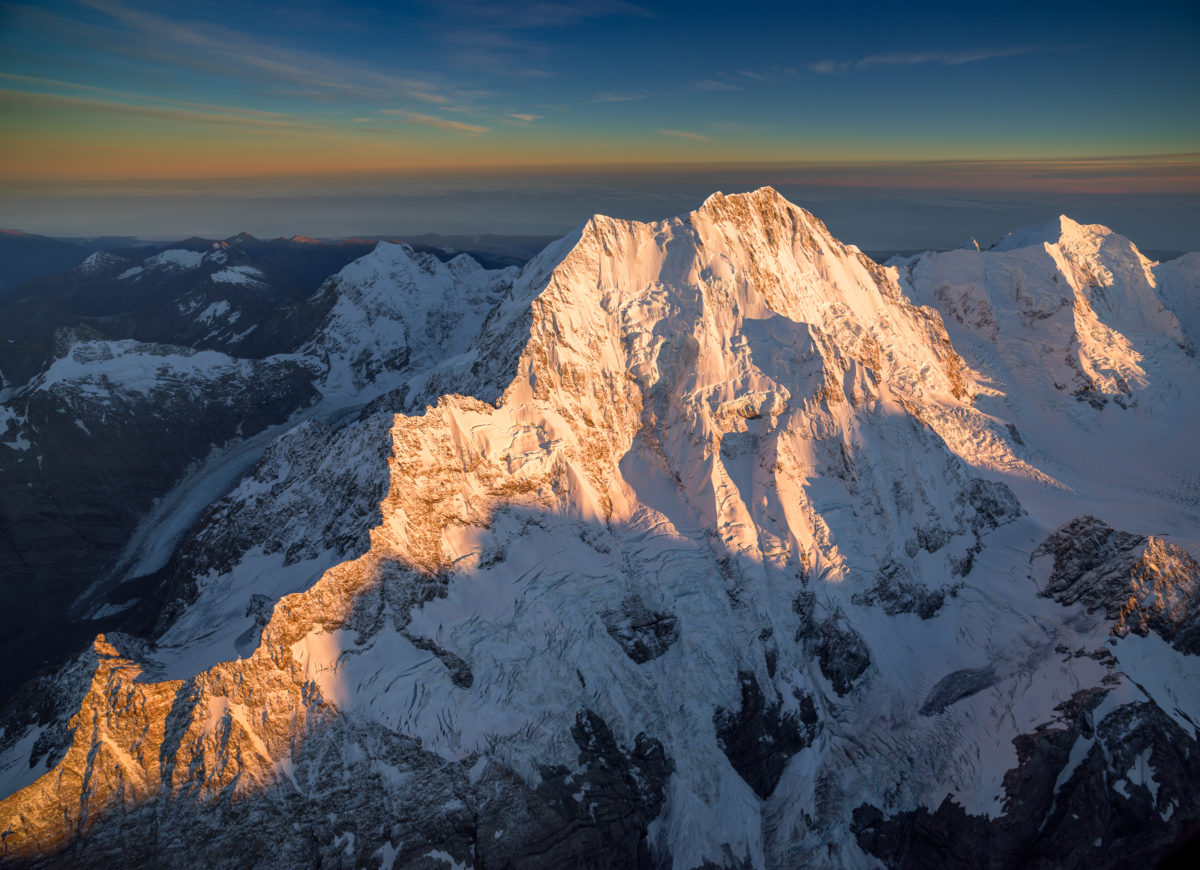
For many of us passionate landscape photographers, our bucket lists include hiking at high altitude to view some of the world’s tallest and majestic peaks (think Everest, Denali, Mount Kilimanjaro, Nanga Parbat, and the peaks that surround Atacama). We dream about the beauty of the tall mountain and its surrounding landscape, crave a short time away from the complexity of our daily lives, and seek the opportunity to bathe ourselves in the culture of others. To enjoy high-altitude adventure and photography anywhere in the world, there are some helpful things to consider.
Good general health coupled with being physically fit is essential to meet the dual challenges of being above 9,000 feet and long days of hiking. In advance of travel, a routine of regular physical exercise, including some training for trails that are at times steep, is a must. Other health challenges include solar eye damage (snow blindness), waterborne diseases, dehydration, and painful blisters. For those who are trekking, the following preventive strategies should be kept in mind:
- Do not push yourself beyond your physical and psychological ability.
- Attempt to get as much restful sleep as you can. However, avoid sedative type medications as they interfere with breathing.
- Stay properly hydrated. Climbers aim to keep their urine “gin clear” as simple evidence of adequate hydration.
- Consistently wear sunglasses when the sun is out.
- Pretreat drinking/cooking water by boiling, filtering or other method. Waterborne pathogens, such as giardia, are present even at high altitude.
- Wear properly fitted and tested foot wear. Protect “hot spots” on your feet before they become blisters with protective tape (duct tape actually works well).
You should consider carrying the following medications in addition to those which you take on a regular basis:
- Metronidazole or tinidazole (for giardiasis)
- Acetaminophen (Tylenol®)
- Nonsteroidal anti-inflammatory drugs such as Motrin or Advil
- Oral benzocaine (Orajel®) (for unexpected dental pain)
- Dexamethasone (Decadron®) and Acetazolamide (Diamox®) for altitude illness (discussed further below)
Good health and proper training will lessen but not eliminate the possibility of high-altitude illness. Altitude illness (sickness) is really a spectrum of medical problems that occur when the rate of ascent exceeds one’s ability to acclimatize (adjust). It manifests most often in a person who lives near sea level and then travels to high altitudes (generally over 2,000-2,500 meters). Symptoms are uncommon below this altitude and more prevalent above 2,500 meters. Severe medical problems rarely arise below 3,000–4,000 meters. Individuals may also become symptomatic when ascending further when already at high altitude. Even with careful acclimatization, some individuals may develop one or more symptoms of high-altitude illness.
The symptoms discussed below are caused by the reduction in oxygen available as the altitude (above sea level) increases (the air becomes “thinner”). Since our survival is dependent on our ability to supply oxygen to vital organs such as the brain and heart, we have developed mechanisms to help compensate for low oxygen environments. The capacity to acclimatize varies greatly among individuals and is dependent on many factors. The body begins to adjust within minutes of ascent but requires several weeks to complete the process.
A good example of planned acclimatization is the Muench Workshops trek in Tibet. The following is a summary of the peak altitude during the first days:
- Day 1 (Xining): 7,500 feet (2,300 meters)
- Days 2, 3, and 4 (Lhasa): 12,000 feet (3600 meters)
- Day 5 (Shigatse): 12,800 feet (3,900 meters)
- Day 6 (Shegar): 12,000 feet (3,650 meters)
- Day 7–14 : 15,300–17,000 feet (4,600–5200 meters)
As mentioned above, most individuals do not experience high-altitude illness or may develop only mild symptoms, particularly with proper preparation. However, severe high-altitude illness is not predictable and can occur in the healthiest and most physically fit individuals. It is not possible to predict one’s threshold, in part because there may be genetic determinants. That said, for those of you who have “done well” at high altitudes in the past, you are likely to do well on most high-altitude photo adventures. Other factors including obesity, strenuous exertion upon arrival at altitude, a past history of high-altitude illness, a rapid rate of ascent, and alcohol use are predictors of altitude sickness. Interestingly, it turns out that age has not been shown to be an independent predictor of the development of high-altitude illness.
At one end of the spectrum of high-altitude illness is acute mountain sickness, which is a term that is used when symptoms remain mild. Mild symptoms resemble those of an alcohol hangover and include headache, fatigue, lightheadedness, lack of appetite, nausea, and vomiting, difficulty sleeping normally, and mild shortness of breath with exertion. Life-threatening illnesses such as cerebral edema (swelling of the brain) and pulmonary edema (water in the lungs) can develop, particularly when mild symptoms are ignored. Severe symptoms include irritability, confusion, inability to think clearly, drowsiness, or stupor, and shortness of breath at rest or with mild exertion and cough that is often accompanied by pink, frothy phlegm.
There are some measures that can be taken to reduce the risk—prevention—of developing symptoms. Taking time (days) at the beginning of the trip to get used to high altitude is the best way to avoid symptoms. After initial acclimatization, gradual ascent is recommended. In general, once above an altitude of about 10,000 feet (3,048 meters) ascent of more than 1,000 feet (305 meters) per day is not recommended. In addition, most experts recommend that climbers stay really well-hydrated and avoid alcohol, which may depress breathing. Experts within the medical community have differing opinions as to whether the drug acetazolamide is effective when used prophylactically particularly if ascent can be gradual. In addition, the medication has a few undesirable side effects.
For individuals who develop mild symptoms, treatment includes rest, hydration. Mild analgesics such as acetaminophen or nonsteroidal anti-inflammatory drugs (NSAIDS) usually are helpful. In patients with more severe symptoms, acetazolamide (Diamox®) is given. Patients with cerebral or pulmonary edema are often prescribed steroid drugs (dexamethasone) and need prompt expert attention, including the possibility of evacuation. If you have anything more than minor symptoms, it is best not to continue your ascent. When possible, take an extra rest day to help the acclimatization process.
Prior to any high-altitude trek, you might want to ask your travel organizer the following questions:
- Will you be carrying oxygen?
- Is there a plan to bring guests with altitude sickness to a lower elevation?
- Who will be our local guides? What is their experience level?
- Will there be sherpas or others to help carry bags?
In addition, everyone should get approval from their health care providers for high-altitude trekking. The following are questions that you might want to ask:
- Do you have any reservations about the trip I’m planning?
- Do I need to change any of my medications while I’m travelling?
- What pills do you recommend I take with me?
- Do you recommend that I take acetazolamide to prevent altitude symptoms?
- I have high blood pressure; should I get my blood pressure checked on my trip and do you recommend any changes to my medications before I go?
But let’s get back to the good stuff. High altitude locations are amazing photographic locations and any workshop or trip to high places such as Tibet should be one of the travel highlights of your life. All you need to do is plan your trip wisely, follow instructions, let your leaders know if you’re not feeling well, AND have a terrific time.