

Technology & Software
Update your laptop and editing software before departure. If you use Adobe apps, open the Creative Cloud desktop app while you still have reliable internet, sign out of your Adobe account, then sign back in. This refreshes your license and helps keep apps like Lightroom Classic and Photoshop available offline during the workshop.
Camera Setup & Maintenance
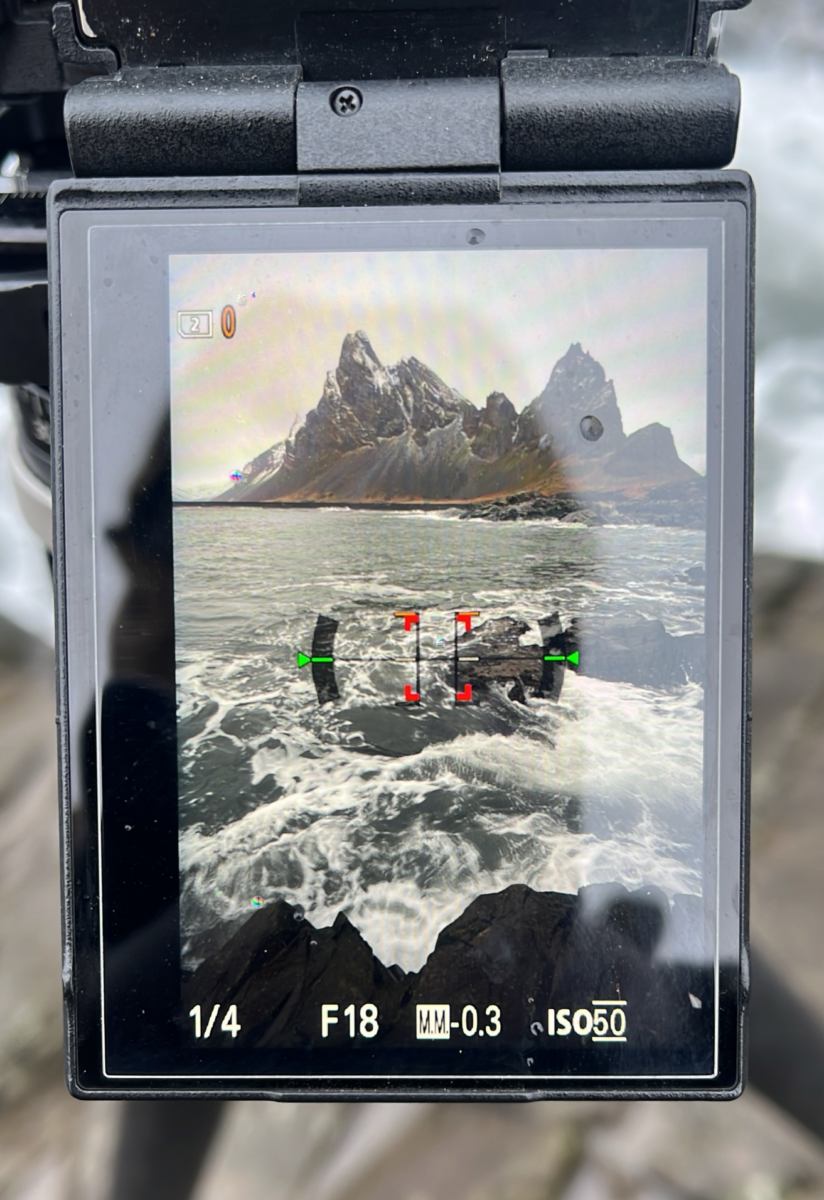
Clean your lenses and sensors, and check for any firmware updates for your camera bodies and lenses before you travel. Set your camera’s date and time correctly for the time zone you are visiting, and make sure it is set not to fire without a memory card installed. That simple setting can prevent a frustrating mistake in the field.
Packing & Accessories
Double-check that you have all necessary cords, adapters, chargers, and accessories. A small surge-protected travel power strip can be very useful. When possible, use soft-sided luggage, as it fits more easily into vehicles and light aircraft.
Batteries & Air Travel
Pack all lithium batteries in your carry-on to comply with airline regulations. Lipo-safe bags are also a good precaution.
Gear Planning
You will receive an information packet several months before your workshop that includes a recommended gear list. Review it carefully, speak with your pro if needed, and ask questions in advance so you arrive with what you need without overpacking.
Dress for Worse Than the Forecast
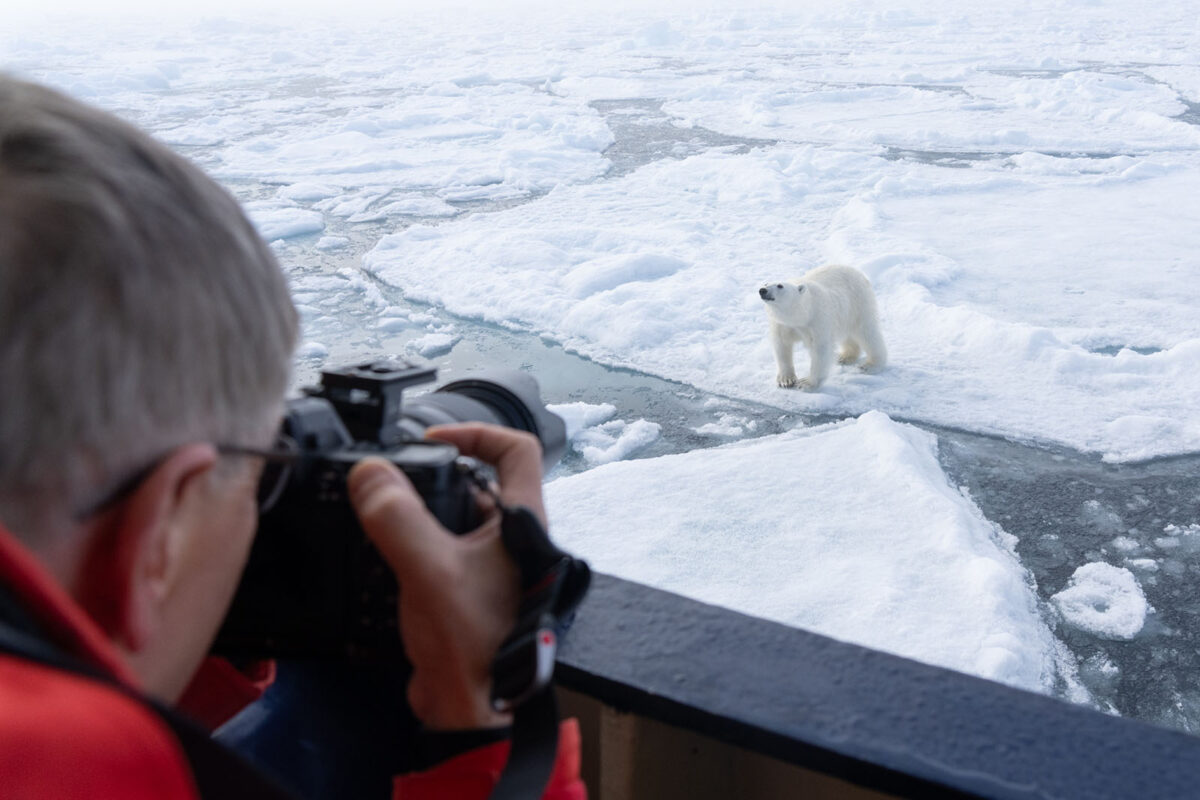
When packing for a workshop, it is best to prepare for conditions that are colder, windier, wetter, and sometimes hotter than the forecast suggests. Weather can change quickly, and long hours in the field often make even moderate conditions feel more demanding. If you are debating whether to bring rain pants, an extra insulating layer, or a second pair of gloves, it is usually wise to pack them. A spare pair of socks can make a big difference after a stream crossing, wet trail, or time near breaking waves. The goal is not to overpack, but to arrive ready for changing conditions and long days outdoors. If you are cold, wet, or uncomfortable, it becomes much harder to stay patient, think clearly, and make better photographs.
Think in Layers
A good system usually includes a natural moisture-wicking base layer, a warm mid-layer, and a waterproof outer layer that can handle wind and rain. A warm hat, thin liner gloves, and compact rain gear often earn their place quickly, even on trips that seem mild on paper. Hand warmers can also be very helpful when you are standing still for sunrise, waiting on wildlife, or working in cold weather.
Prepare for Sun Exposure
Sun exposure is worth preparing for as well. Even cool or wet locations can bring intense sun, especially at altitude, on snow, near water, or in open country. Sunscreen, lip balm, sunglasses, and a brimmed hat are all smart to have with you.
Footwear Matters
Make sure your boots fit well and are fully broken in before the workshop. Waterproof boots are usually the best choice, especially when trails are muddy, mornings are wet, or you may be standing in snow, shallow water, or uneven terrain. Good socks matter too. Merino wool is a good choice, and carrying an extra dry pair is always a good idea. Depending on the workshop, gaiters or traction devices may also be useful for mud, snow, or slick ground.
For some workshops, a lighter pair of shoes or sandals is also useful around lodges, in vehicles, or for easier conditions. If you are unsure what is best for your trip, ask us. We are happy to help you choose the right clothing and footwear for the terrain and conditions you can expect.
Keep Clothing and Gear Dry
Waterproof covers, dry bags, or even a few simple resealable bags can help protect extra layers, gloves, socks, and small camera accessories from rain, spray, or wet ground.
Ask if You Are Unsure
Be sure to check the information document we send you before each workshop for updates to these lists, and any additional requirements specific to your workshop.
These are general packing guidelines to help you think through your gear and personal items before a workshop. Not every item will apply to every trip, and some workshops call for more specialized equipment or clothing than others. For that reason, we send a detailed packing list for each workshop that reflects the location, season, terrain, and shooting opportunities you can expect.
Use the list below as a starting point, then follow the workshop-specific packing information we provide. If you are unsure about what to bring for your particular workshop, ask us. We are always happy to help you pack well without bringing more than you need.
Core items for most workshops
- Sturdy tripod
- Ballhead and the correct camera and lens plates
- Camera strap
- Camera body, plus a second body if you have one
- Plenty of batteries and chargers
- Lenses appropriate for the workshop
- Plenty of memory cards and a card reader
- Laptop with Lightroom Classic and any other needed software installed and updated
- Lens cleaning cloth
- Camera rain cover
- Comfortable camera backpack
- Sturdy, broken-in boots or shoes appropriate for the workshop
- Reusable water bottle
- Headlamp
Often useful, depending on the workshop
- External hard drive or other backup storage
- Plug adapters for international travel
- Travel power strip or extension cord
- Filters, especially a circular polarizer and ND filters
- Wired remote trigger or intervalometer
- Rain jacket, warm hat, neck gaiter, and gloves
- Sunscreen, bug repellent, and a mosquito head net
- Waterproof boots or overshoes
- Traction spikes for icy conditions
Nice to have on some workshops
- Specialty lenses or cameras, such as macro, tilt-shift, extreme wide-angle, or a fast wide prime for night photography
- Sensor cleaning supplies
- Protective covers for lenses and camera bodies
- Knee pads
- Trekking poles
- Travel coffee or tea mug
Travel and backup items to keep in mind
- Camera manual, ideally saved as a PDF on your phone
- Backup ID for international trips, plus a photo of your passport
- Small tool kit or multitool, packed in checked luggage if you bring one
Travel insurance is an important part of preparing for a workshop. Some of our workshops require evacuation coverage because of their remote locations and the realities of working far from advanced medical care. Even when it is not required, we strongly recommend both evacuation insurance and comprehensive travel insurance for every trip.
Evacuation Coverage
Some workshops require evacuation coverage, and we recommend it even when it is not required. In remote areas, the real value is not just reimbursement after the fact, but having support in place when fast coordination matters. If you are considering another provider, ask whether they actively coordinate and manage evacuations or simply reimburse covered expenses afterward. If you are unsure whether evacuation coverage is required for your trip, contact us.
Travel Medical Coverage
It is also important to think separately about travel medical coverage. Many guests assume their regular health insurance will fully cover them while traveling, especially outside the United States, but that is not always the case. Before your workshop, we recommend checking with your health insurer to understand what medical care is covered at your destination, whether out-of-network rules apply, and whether pre-authorization or other limits could affect care while you are away.
Comprehensive Travel Insurance
We also recommend comprehensive travel insurance to help protect your investment in the workshop and your travel arrangements. Depending on the policy, it may provide coverage for trip cancellation, interruption, delays, lost baggage, and certain medical expenses. Be sure to review your policy carefully so you understand exactly what is and is not covered.
It is your responsibility to secure any required insurance for your workshop and to make sure your coverage is appropriate for the destination and type of travel involved.
Ripcord
Our preferred provider is Ripcord. Unlike many providers that simply reimburse covered expenses later, Ripcord is an active participant in the evacuation itself. That added level of support can be especially valuable in remote areas where coordination matters as much as coverage. Note: If you are applying for evacuation coverage through Ripcord and do not want the comprehensive plan, you can enter $1 as the trip value. If you have questions about their coverage, we encourage you to call them. They are very helpful.
Before You Travel
Your health and comfort are important, and a little preparation goes a long way. Keep all essential medications, eyeglasses, contact lenses, and related supplies in your carry-on, not in checked luggage. Bring enough prescription medication for the full trip, plus a few extra days in case of travel delays. It is also wise to pack a small supply of over-the-counter basics, since the medications you normally use may not be easy to find in remote areas or foreign countries.
Take Care of Yourself
Get adequate rest before you travel, stay hydrated, eat well, and do your best to avoid situations that make it more likely you will get sick just before the trip. During the workshop, pace yourself, dress for the conditions, stay warm and dry, and speak up early if you are not feeling well.
If You Become Ill
If you become ill during the workshop, please let your workshop leader know as soon as possible. Because we travel together, ride together, and often share meals, even a minor illness can spread quickly through the group.
If needed, guests who are feeling unwell may be asked to take simple precautions to help protect others. These may include wearing a mask in shared vehicles or other close indoor spaces, giving others more distance when possible, improving airflow, avoiding shared food or utensils, or stepping back from group activities while symptoms are active.
Common-Sense Health Practices
We ask everyone to use common-sense health practices throughout the workshop, including covering coughs and sneezes, washing or sanitizing hands regularly, and being considerate of others if symptoms develop. Our workshop leaders may use their judgment to decide what precautions are appropriate based on the situation, the setting, and the well-being of the group.