When you scroll through the Muench Workshops website or flip through our magazine, it’s easy to get swept up in the hero images: golden sunlight washing over ancient sandstone tombs or towering rock spires under a starry Milky Way. What you don’t see on the page, however, is the months of behind-the-scenes groundwork, planning and attention to detail required to bring an itinerary to life.
Quick Links: Pre-Scouting | Cultural Immersion | Upholding Standards
Before any trip earns a place in the Muench Workshops collection, it goes through a rigorous testing process. A scout is where a candidate itinerary proves itself on the ground, allowing us to verify that every detail meets our expectations long before a single spot is opened to guests. It is a dedicated reconnaissance trip designed to test logistics, evaluate locations with a group of photographers in mind, build local relationships, and ensure every experience meets our high standards.
To get an inside look at how these journeys take shape, three Muench Workshops pros, David Thompson (DT), Ceci Costa, and Lisa LaPointe, shared their scouting experiences across four regions this year: South Africa, Peru and Brazil, and Turkey.
Behind the Scenes: The Pre-Scout Research
Long before a Muench Workshops pro ever steps onto a plane with a camera bag, the journey has already been months, or sometimes years, in the making. Behind every potential destination is an extensive pre-scout research process. Ideas come from everywhere: client suggestions, pro insights, or through detailed research into emerging destinations.
Some trip ideas sit in development for years, held until regional politics stabilize, safety is assured, and local infrastructure matures. Nothing is rushed; and a destination is only greenlit for on-the-ground exploration when the timing, access, and safety line up seamlessly.
Above all, the pre-scout phase is about building trust with local outfitters who can handle complex logistics. Only when the team feel confident in an outfitter’s capabilities and safety standards does a candidate itinerary earn its true stress test: sending one of our pros into the field to see if the experience can hold up in real life.
Crafting the Blueprint on the Ground: David Thompson
Managing a group of photographers across new terrain requires a very different approach from traveling solo. For DT, the focus of a scout starts with the practical mechanics of running a smooth group experience, and the first word on his list is accessibility.
“How many people can we get into a spot without them being on top of each other?” he asks. “Do we have room to spread out?” DT approaches scouting trips as if he were shooting for himself, and then layers the client’s perspective on top.
Is there one composition or several? Can we spend multiple days in the same area, photographing a variety of subjects? A cave arch that only one person can shoot at a time might be beautiful, but it can be frustrating for a group, and so the main goal for any shooting location is one that lets everyone spread out and work comfortably.
The Logistics
The physical side of a location matters too. Some spots from this year’s scouting adventure looked great on paper but turned out to require some boulder-hopping acrobatics. These were quickly crossed off as unsuitable for group workshops, where guests must be able to move comfortably and safely with their camera gear.
Other spots, however, were a mere two-minute stroll from the vehicle, and opened up endless miles of dramatic rock formations without requiring mountain-goat agility.
Then come the logistics: whether guests will drive or fly between areas, and what the food, hotels, and vehicles will be like. Scouting also means setting accurate expectations. In many remote or rural regions, the four-star hotel simply doesn’t exist, but DT is relaxed about that. His test is common sense: could he be comfortable for three or four days, and does it feel safe for guests? “Whoever goes has to be okay with that,” he says of the basics, and of the kind of curious, adventurous traveler willing to make a few sacrifices for a destination like this.
His underlying advice for any destination is to “take all your cultural norms, throw them out the window, and be a good guest.”
South Africa
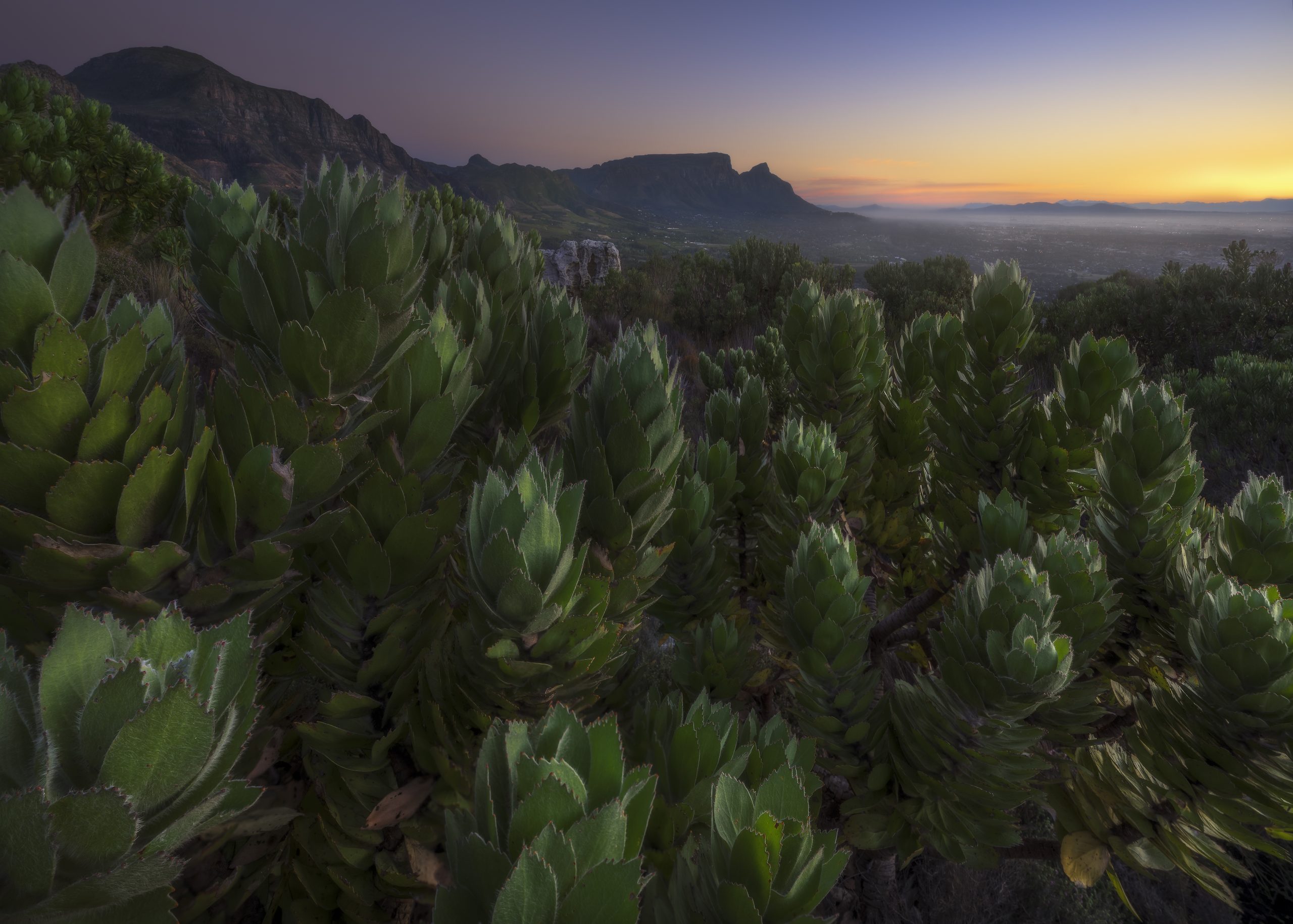
DT’s scouting this year took him to South Africa, where he explored numerous coastal locations across the Cape, discovering exceptional variety across the region. There was the quiet beach an hour outside Cape Town featuring colorful pebbles and striking rock patterns, the famous African penguin colony at Boulders Beach, and wine country further inland, where the rolling green hills catch dramatic clouds and storm light as it passes through.
It was decided that establishing two bases would put both sides of the Cape within easy reach, giving guests the best of both worlds: the relaxed, urban atmosphere and top-tier dining of one location, balanced by the wild, remote feel of sunrise and sunset at the other.
DT also solved a logistical challenge at Table Mountain: swapping a narrow, punishing hike for the much more accessible cable car ascent. The top of the mountain provided an endless playground of rock plateaus, which would allow guests to spend hours exploring different compositions, from jaw-dropping cliff edges to panoramic ocean sunsets, each completely tailored to their own pace.
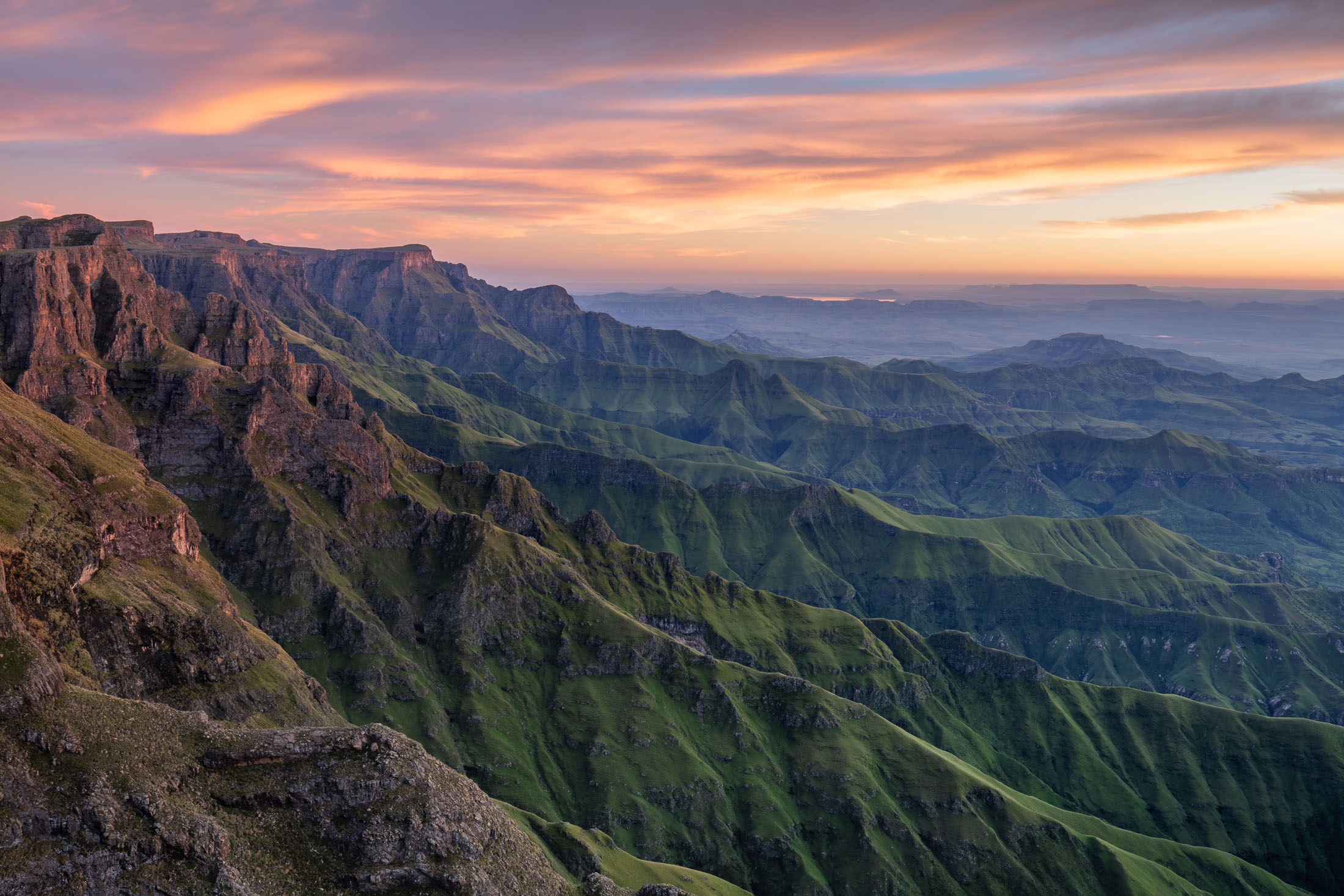
The finished itinerary extends well beyond the Cape DT visited himself, continuing into the Drakensberg, with its dramatic, soaring peaks in eastern South Africa. DT didn’t need to scout this mountain leg in person; instead, Muench Workshops partnered with a highly respected photographer and outfitter who has spent years exploring every corner of the range.
Rigorous scouting isn’t just about putting a pro’s boots on every trail; it’s also about knowing when to lean on trusted regional experts whose on-the-ground authority is already second to none.
Enter Alex Nail, a seasoned outfitter and photographer who already had almost a decade of experience running photo tours deep in the Drakensberg. While his local expertise was undisputed, Alex’s standard routes involved multi-day backpacking treks covering 12-15 miles per day.
Recognizing that long-distance trekking wasn’t the ideal setup for our workshop, the team worked closely with Alex to reshape the itinerary, opting instead for a single strategic base camp with manageable 2- to 3-mile hikes to incredible vistas.
Cultural Immersion in Peru: Ceci Costa
Ceci Costa is an Argentina-based photographer and mountain guide with three decades of field experience. Talk to her for any length of time and her deep passion for exploring the cultural connections of the locations she scouts becomes abundantly obvious.
This year Ceci was scouting two new potential workshop destinations, Peru and Brazil, and as ever, part of her goal was to discover the authentic human stories and rich cultural heritage that turn a landscape destination into a genuinely meaningful photographic journey.
For Ceci, a landscape photograph should always be more than just a piece of wall art; it should tell a story rooted in the culture and history of the people who live there.
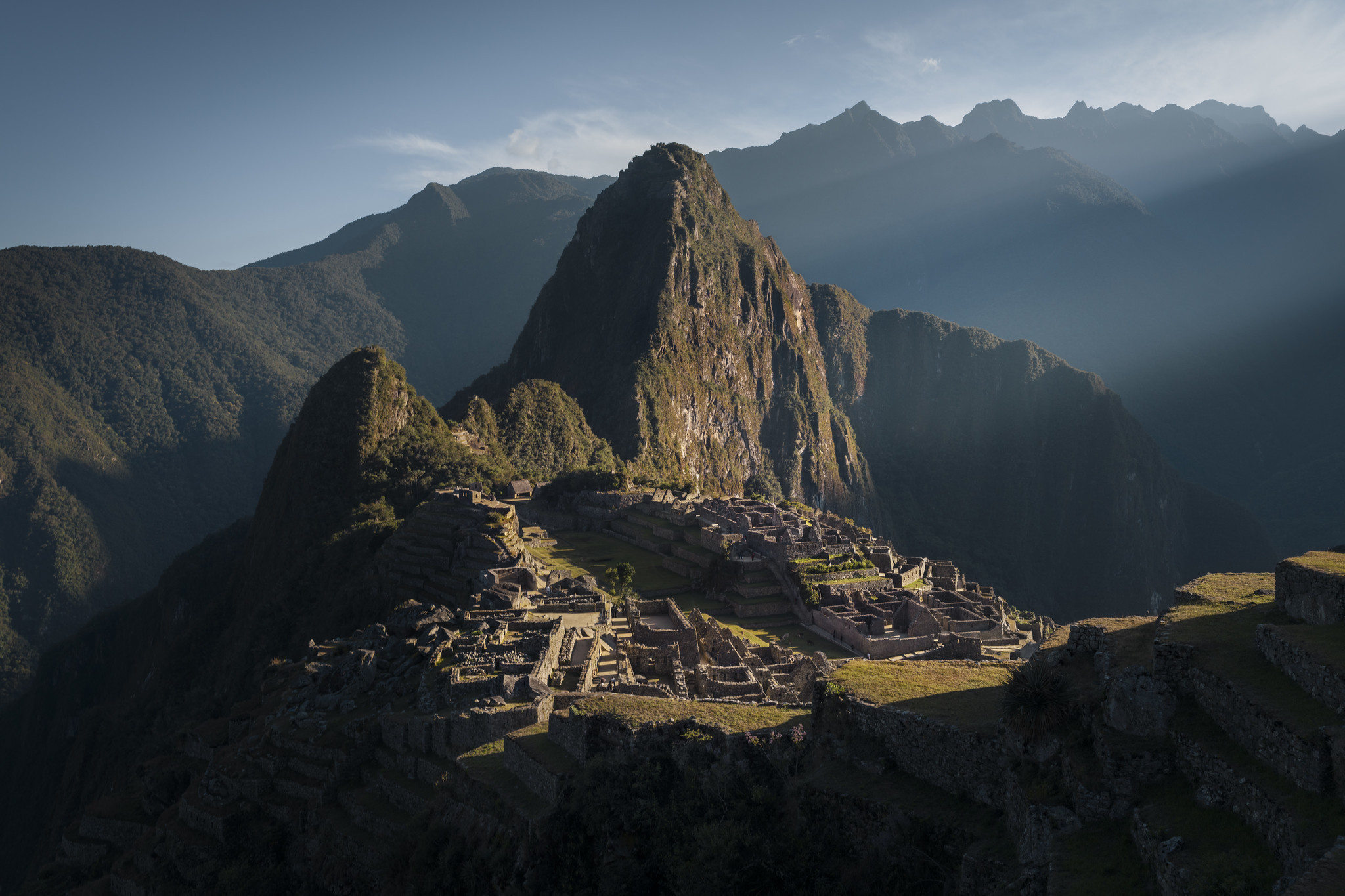
While iconic locations like Peru’s Machu Picchu are important workshop highlights, her initial scouting prioritized finding the immersive, off-the-beaten-path moments that give a destination its true soul, from understanding why local communities revere a sacred mountain to sitting down in a village to peel potatoes with the locals.
“You can’t understand why the mountains are so amazing if you don’t understand what happens when you’re climbing them,” Ceci says. “Machu Picchu is just the cherry on top of the cake. I hope our workshop will help people understand how these communities have lived for centuries, how sharing a meal with them can connect you with the place you are in. In all likelihood, our clients are not going to come back to a location more than once because the world is way too big. They deserve to be in real places.”
Facing Practicalities in Brazil
Her passion for understanding local culture goes hand in hand with the hard-headed practical decisions necessary when scouting new locations. In Brazil, the scout focused on balancing photo opportunities with the physical challenges of remote locations.
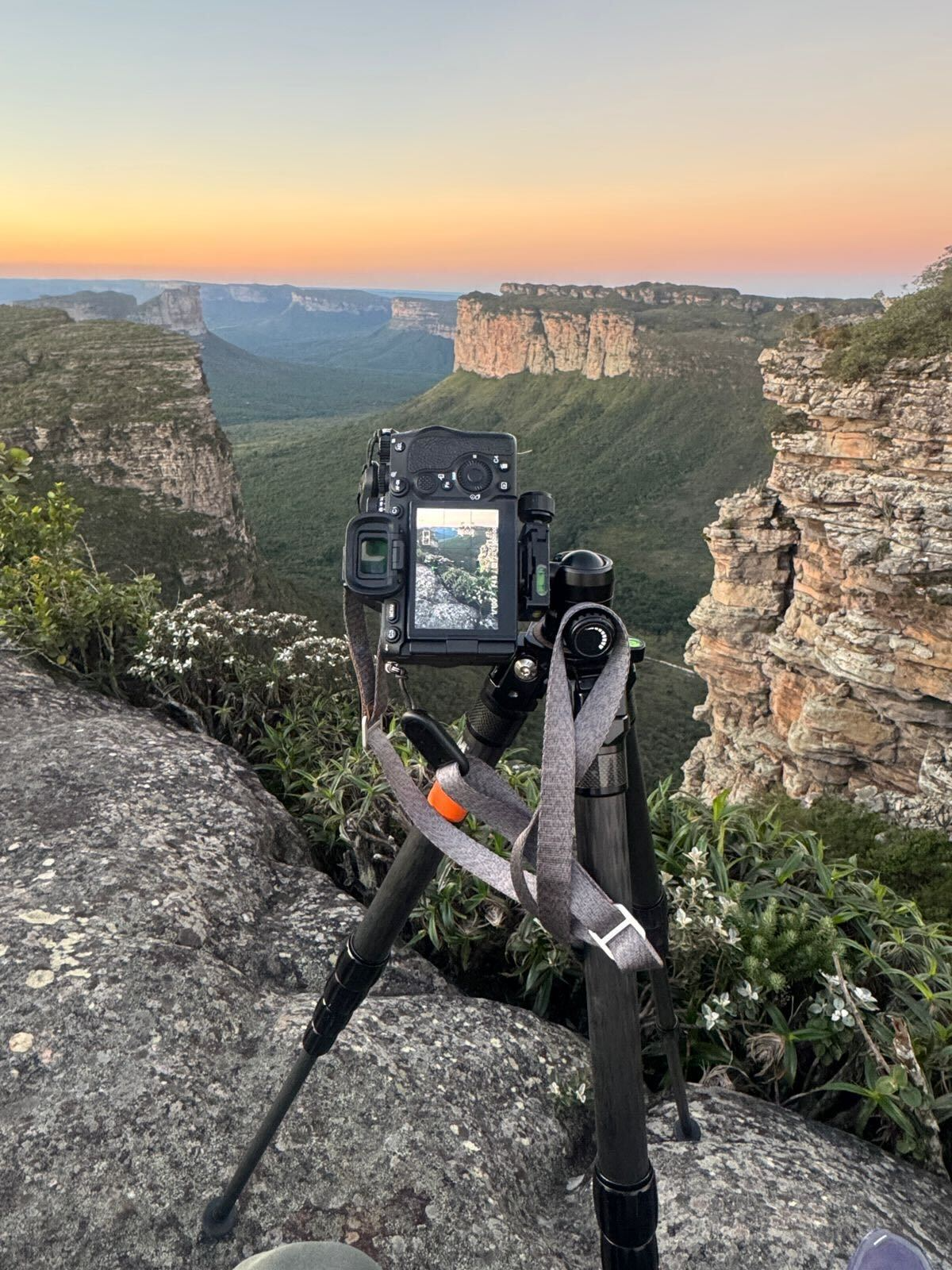
At the Chapada Diamantina National Park, known for its spectacular waterfalls and deep canyons, she spent a week exploring the area, hiking for hours each day. But where a non-photographer might happily spend a whole day trekking in and out of the park, good photography means being in the right place at the right moment. For some locations, that would have meant setting off around 2 AM in order to be at the right spot for sunrise, which was ultimately deemed impractical.
But easier access does not necessarily translate to a workable location either. At one well-known location, she counted at least 15 drones in the air and more than 200 people on the ground around her. “That is simply not the experience we want our clients to have,” she says, and so that section was crossed off the itinerary as well.
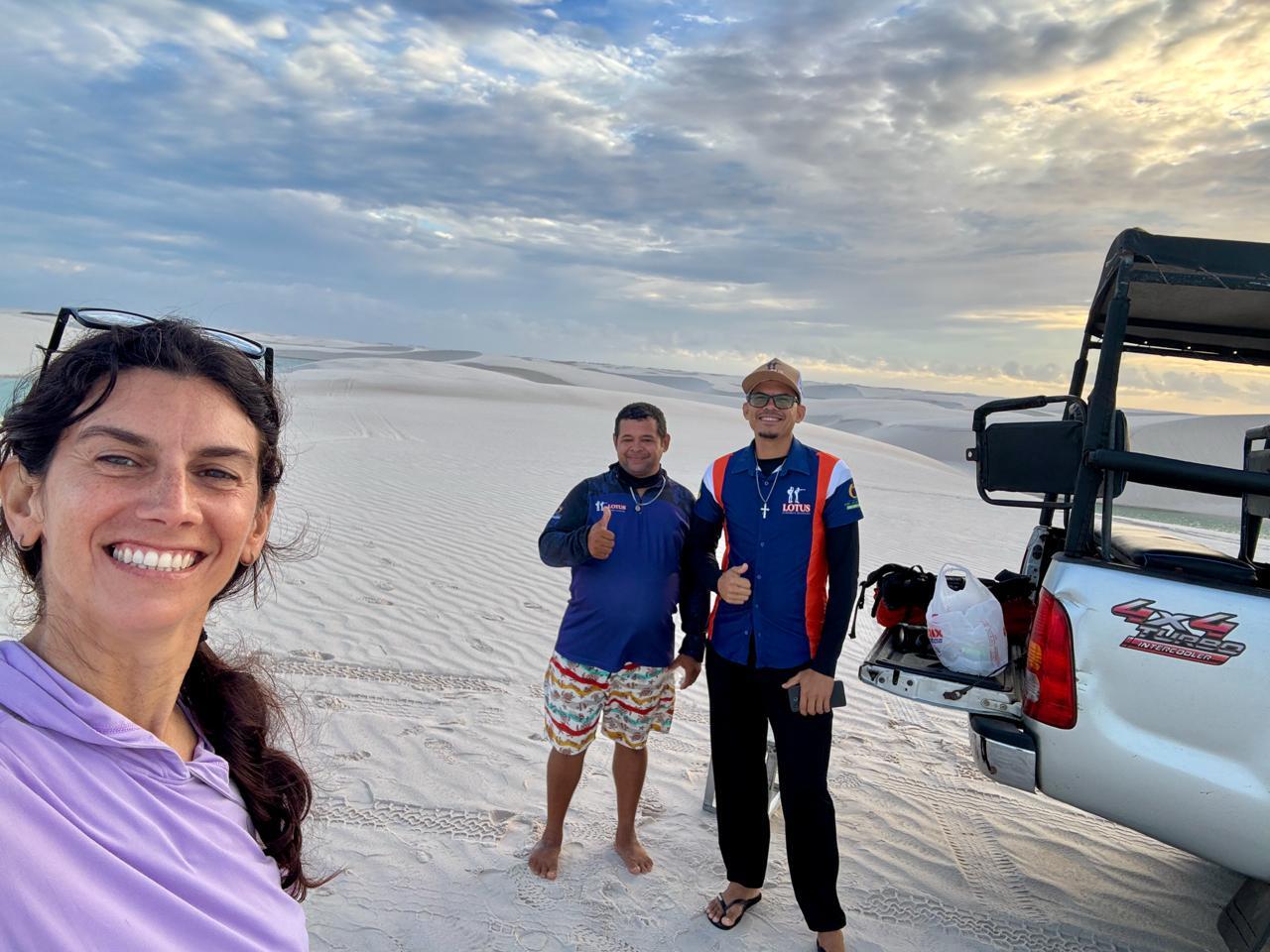
The scout continued into Lençóis Maranhenses, a surreal landscape on Brazil’s northeastern coast where vast, wind-swept white sand dunes meet thousands of crystal-clear freshwater lagoons. Ceci spent days exploring the vast dune field on foot, by vehicle, and overhead via drone to map out the best light and angles.
Even in a place known for near-permanent dry weather, Ceci hit three days of rain in a row while scouting the region, sitting it out in a vehicle in the middle of the dune field. It’s the sort of surprise only an on-location scout ever catches.
“It’s a mix of being excited, because you know there’s a place that has a lot of potential,” she says. “But then on the other hand, is it going to work?”
The moment the skies cleared, the answer was an emphatic yes. Up in the air and across the dunes, the rain filled the turquoise lagoons to perfection, creating a constantly shifting canvas of abstract shapes, dynamic clouds, and dramatic light. By sitting through the weather and ironing out the safety logistics on the ground, Ceci turned an unpredictable scout into a proven, seamless workshop.
Upholding Workshop Standards: Lisa LaPointe
Not every scout ends with a new workshop on the calendar, and that is an equally important part of the job. When Lisa LaPointe set out across Turkey earlier in the year to test a route through Istanbul, Ephesus, and Cappadocia, her goal was to see if a proposed itinerary could deliver the kind of experience guests expect.
The journey produced some fantastic highlights, especially in Istanbul, a city Lisa describes as wonderful. “It’s big, colorful, chaotic, loud, and overwhelming,” she says. Working with an exceptional local guide, she explored hidden corners and quiet neighborhoods she never would have found on her own.
The energy was incredible, and the value of having insider access on the ground was immediately clear. In other regions though, the experience was more mixed.
Ephesus and Cappadocia
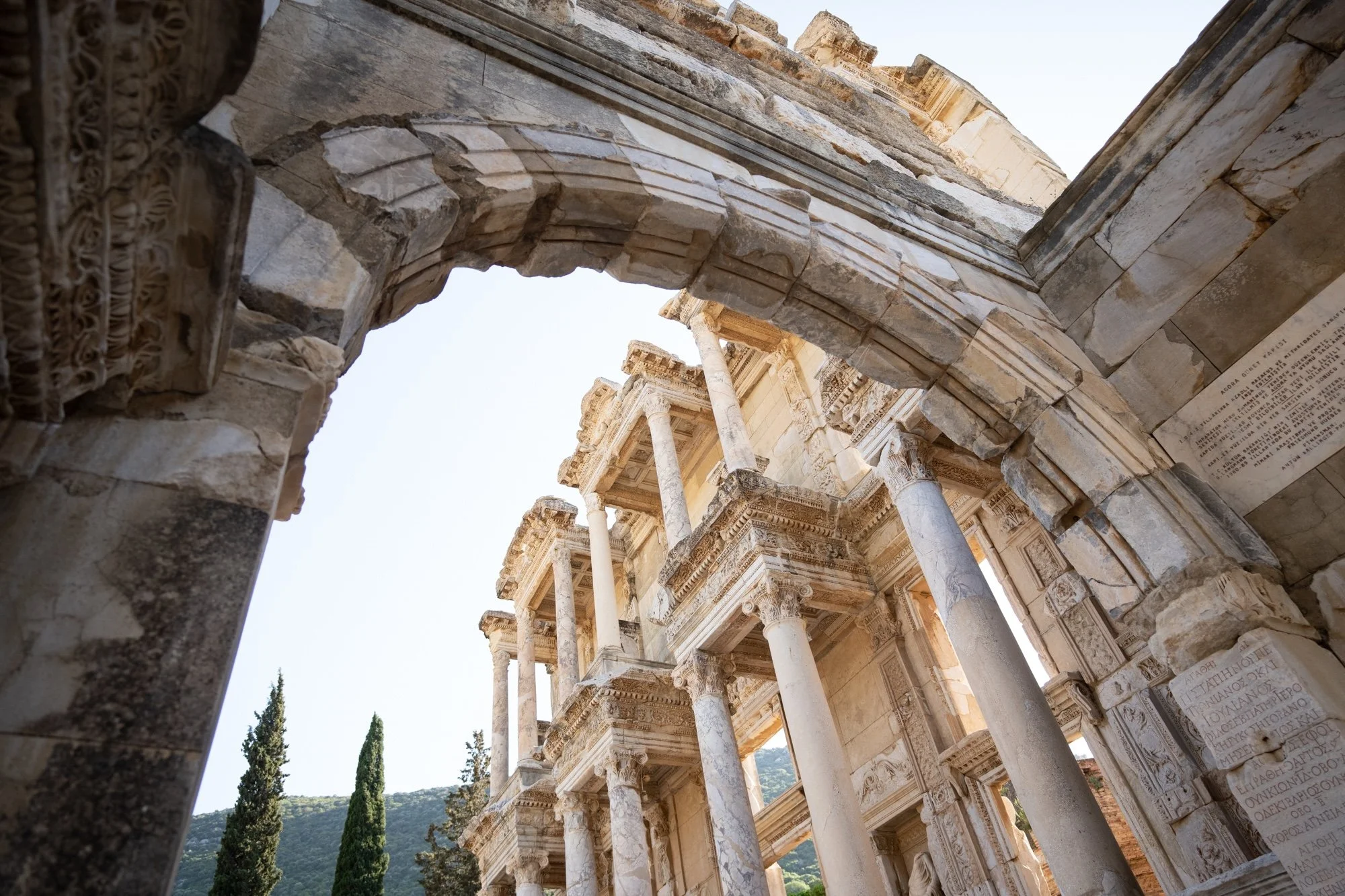
Ephesus is world-famous as one of the largest, best-preserved ancient Greco-Roman cities in the Mediterranean. It draws multitudes of tourists annually who come to walk its monumental marble streets and explore exceptionally intact ruins. But where the vibrancy and chaos of Istanbul brought its own energy, the same didn’t hold true in Ephesus.
“We parked in a parking lot with 500 other tourists, waited in line, bought a ticket, stood around in groups while everyone got their Instagram photos in, influencers everywhere. And I realized we’re not going to be able to give our clients a unique experience here.”
In Cappadocia, where watching hot air balloons drift over the landscape is the headline draw, rain set in for days, and the balloons never flew, a real-world reminder of how vulnerable certain destinations can be to bad weather.
The deepest challenge lay in the shape of the trip itself. Driving long distances between three very different regions meant “there wasn’t a theme throughout aside from just Turkey,” Lisa says. Only once you have someone on the ground does the true nature of the distances involved become apparent.
“It felt too much like three separate trips, and the photos didn’t pull together into a single cohesive narrative”. A great workshop, she notes, requires that landscapes, people, and details all work in harmony to tell a complete story.
Rather than trying to force a trip onto the schedule before it was ready, it was decided to hit pause and rework the itinerary. “We wanted to take a step back and refine or better define what it is we want to do,” Lisa reflects. Taking the time to hold out until an itinerary is truly right is what keeps the standard high, and in a destination as sought-after as Turkey, a pause is simply a redesign in progress.
The Unseen Value of the Scout
Scouting is where great workshops are born. Whether it’s chasing rainbows across South Africa’s Drakensberg peaks, sharing a meal with families in the Peruvian Andes, or fine-tuning urban access in Istanbul.
It’s an intentional process driven by high standards and respect for both the destination and the photographer. Long before you pack your camera bag, our team has walked the paths, tested the logistics, and built the local relationships, so that when a workshop does launch, it’s ready.
Our 2028 schedule will be launched on October 13th. Keep an eye on our newsletter and socials to be the first to know when our new workshops go live!